Introduction
Classical gothic design is a commitment. Dark velvet, carved mahogany, candelabras, ornate mirrors, four-poster beds — it is a complete world, and building it fully requires genuine investment of time, money, and aesthetic conviction.
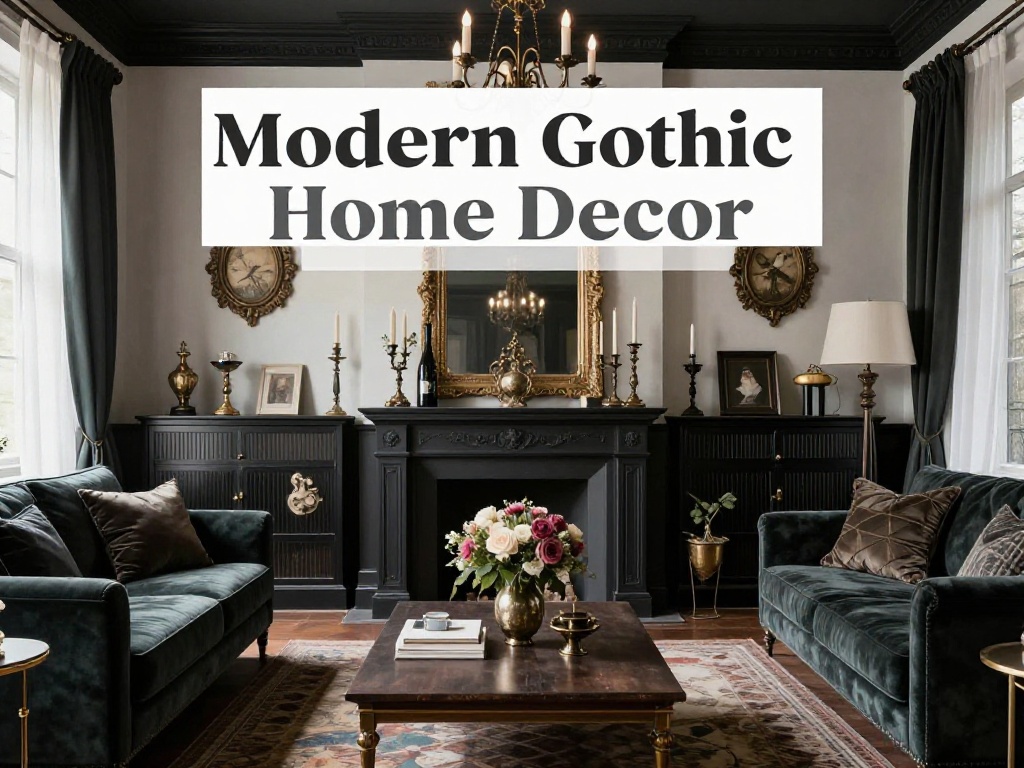
Modern gothic home decor is something different. It takes the emotional core of gothic design — the drama, the depth, the darkness, the refusal of the beige and the bland — and expresses it through the visual language of contemporary interiors. Clean lines rather than ornate carving. Architectural restraint rather than maximalist accumulation. A Chesterfield sofa replaced by a sleek velvet sectional in midnight navy. A carved mahogany dresser replaced by a matte black lacquered chest with minimal hardware.
Modern gothic interior design combines the grandeur of historical gothic architecture with a contemporary sensibility. Traditional gothic spaces were known for their arched windows, stone walls, and rich textures. Modern gothic softens those elements with sleek furniture, neutral balance, and artistic restraint.
The result is something genuinely distinctive — a whole vibe that combines dark, dramatic and moody design trends that favour rich colours and luxurious textures with the liveable, functional quality of modern interior design. It is gothic for people who want to live in their homes rather than perform in them. Gothic that works on a Tuesday morning as well as a Saturday night.
This guide covers everything you need to create a modern gothic home — the defining principles, the colour palette, the furniture choices, the lighting, the room-by-room approach, and the specific details that make modern gothic feel intentional and sophisticated rather than simply dark.
🔗 Want the full gothic picture first? Read our complete goth home decorating guide and explore our gothic sub-styles guide to understand where modern gothic fits within the wider aesthetic.
What Is Modern Gothic Home Decor?
Modern gothic is defined by what it keeps from classical gothic design and what it leaves behind.
What modern gothic keeps:
- The dark colour palette — deep blacks, forest greens, midnight navies, and jewel tones
- The commitment to atmosphere over brightness
- The love of dramatic lighting — chandeliers, candles, layered warm light sources
- The preference for rich, tactile materials — velvet, leather, metal, stone
- The gothic motifs — arches, skulls, botanical elements, celestial imagery — used selectively
- The rejection of mainstream neutral interiors
What modern gothic leaves behind:
- The maximalist accumulation of ornate objects
- The heavily carved, period-specific furniture silhouettes
- The theatrical excess of Victorian gothic at its most intense
- The feeling of living inside a museum or a film set
A modern take on gothic involves cleaner lines, a more minimalist approach, and a focus on texture over excessive ornamentation. The room should feel dark and dramatic but also genuinely liveable — a space where you cook breakfast, work from your desk, and watch films without feeling like you are maintaining a stage set.
You can also read Cozy Farmhouse Bedroom Ideas
Modern Gothic vs Classical Gothic: The Key Differences
| Element | Classical Gothic | Modern Gothic |
|---|---|---|
| Furniture | Carved dark wood, ornate Victorian forms | Clean lines, dark finishes, minimal ornamentation |
| Colour | Black, deep crimson, burgundy, gold | Charcoal, forest green, midnight navy, matte black |
| Accessories | Maximalist — skulls, candelabras, taxidermy | Selective — one or two strong gothic pieces per room |
| Lighting | Candelabras, ornate chandeliers, heavy lampshades | Architectural pendant lights, simple black sconces, smart bulbs |
| Textiles | Heavy brocade, lace, thick velvet drapes | Velvet, linen, matte cotton — lighter hand |
| Overall feel | Theatrical, period-specific, immersive | Architectural, contemporary, liveable |
| Budget | Higher — antique pieces, specialist retailers | More accessible — mainstream retailers with dark palette |
The Modern Gothic Colour Palette
Rich shades of navy, emerald and burgundy create rooms that feel both luxurious and inviting. The heart of any modern gothic interior design is its colour palette — deep, saturated hues create an intimate atmosphere without feeling heavy or oppressive.
The Core Modern Gothic Colours
Charcoal and dark grey — the most versatile modern gothic base colour. Lighter than pure black, warmer than cool grey, and genuinely liveable as a wall colour in any room. Deep, rich paint colours set the foundation, while textures, lighting and thoughtful décor add warmth and personality.
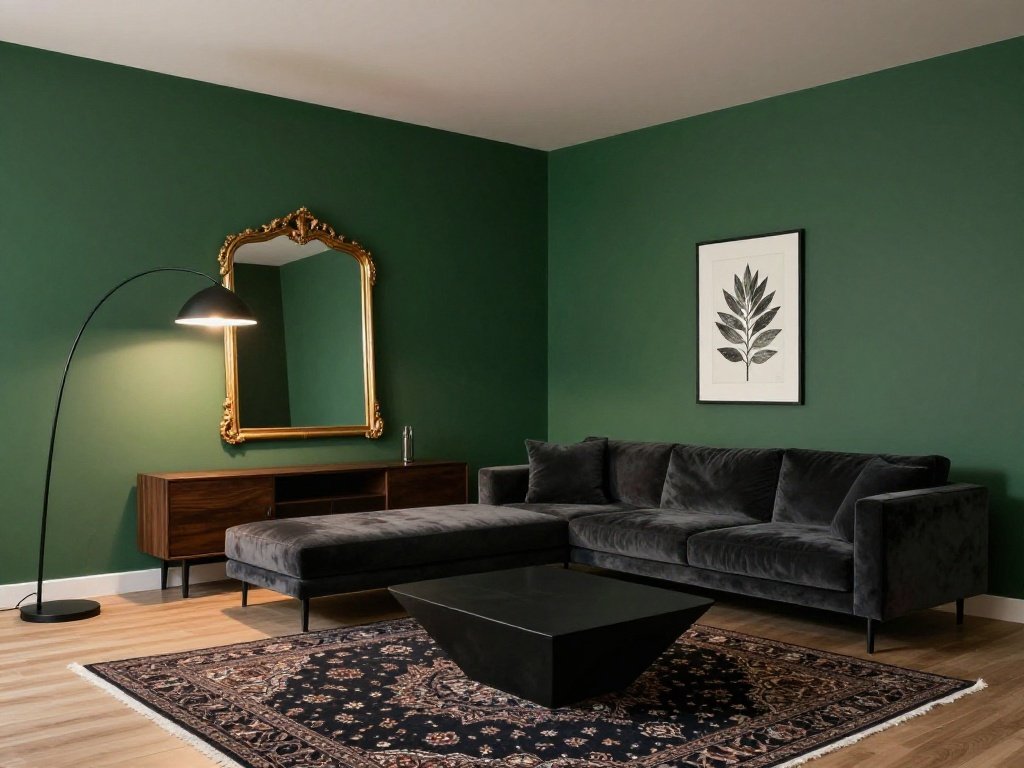
Forest green and deep olive — arguably the defining colour of contemporary gothic design. Deep forest green walls have appeared in virtually every major interior design publication in the past three years. They feel gothic and sophisticated simultaneously — dark enough to be dramatic, warm enough to be liveable.
Midnight navy — a cooler alternative to forest green with a slightly more architectural, contemporary quality. Navy works particularly well in home offices and bedrooms where the cooler tone supports focus and rest.
Matte black — used more sparingly in modern gothic than in classical gothic. Rather than black walls everywhere, modern gothic uses black as an accent — in furniture finishes, light fittings, window frames, and hardware.
Off-white and warm cream — the modern gothic neutral. Where classical gothic uses cream only in lace and aged fabric, modern gothic uses off-white walls deliberately — as a contrast surface that makes dark furniture and accessories read more clearly and prevents the space from becoming oppressively dark.
You can also read Dark Elegant Bedroom Ideas That Feel Cozy and Romantic
The Modern Gothic Approach to Colour
You don’t need a castle to go gothic. Try moody colours on a single wall, in a hallway, or even on the ceiling to add drama without overwhelming smaller spaces.
The modern gothic approach to colour is more strategic than all-in. A single dark feature wall rather than all four. Dark ceiling in an otherwise light room for a dramatic overhead effect. Dark lower half of walls with lighter upper section using a dark dado rail. These approaches add gothic atmosphere without committing the entire room to darkness.
Modern Gothic Design Principles
1. Restraint Over Accumulation
The single biggest difference between modern gothic and classical gothic is restraint. Focus on key pieces first — one statement furniture piece per room, dramatic lighting, rich textiles, and a dark colour palette. Then add layers: decorative accessories, artwork and mirrors, plants and flowers, and scented candles.
In a modern gothic room, every object earns its place. One large ornate mirror rather than five. One well-chosen skull rather than a collection. One dramatic plant rather than a profusion of botanicals. The restraint makes each chosen piece more powerful, not less.
2. Architecture as Atmosphere
Modern gothic uses architectural elements — ceiling height, window proportions, moulding, and built-in joinery — as primary gothic tools rather than relying solely on accessories and furniture.
A black-painted ceiling makes any room feel more gothic immediately. Dark window frames on standard windows create a gothic quality without any other changes. Dark-painted built-in shelving or kitchen cabinetry achieves the gothic atmosphere through architectural permanence rather than decorative accumulation.
You can also use our Free Renovation Tool for you styling.
3. Texture Over Pattern
Where classical gothic uses pattern extensively — damask wallpaper, brocade fabrics, patterned rugs — modern gothic achieves visual interest primarily through texture. The roughness of a concrete wall against smooth velvet upholstery. The warmth of leather against matte painted wood. The reflective quality of a gold-framed mirror against a flat dark wall.
4. Light as Drama
To modernise classic Gothic elements, consider using monochrome colour schemes, minimalist furniture, and sleek, industrial lighting fixtures.
Lighting in a modern gothic home is more architectural than in classical gothic. Instead of candelabras and ornate chandeliers, modern gothic uses pendant lights with clean contemporary silhouettes in matte black, simple wall sconces, and smart bulbs on dimmers that give complete control over the atmosphere.
The warmth of the light source remains non-negotiable — warm white bulbs (2700K) rather than cool daylight — but the fixtures themselves are cleaner and more contemporary.
Modern Gothic Home: Room by Room
Modern Gothic Living Room
The modern gothic living room achieves its atmosphere through three primary elements: the dark wall colour, the velvet sofa, and the lighting.
Walls: A single dark feature wall — forest green, charcoal, or deep navy — behind the sofa. The remaining walls in off-white or warm cream. This approach achieves significant gothic drama without making the room feel enclosed.
Sofa: A large, low-profile velvet sofa in a deep jewel tone — midnight navy, forest green, or charcoal — with clean lines and dark metal or dark wood legs. No tufting required — the velvet fabric and the dark colour do the gothic work without the period-specific detailing.
Lighting: A simple black pendant light above the seating area. Black wall sconces on either side of the feature wall. Smart bulbs throughout on dimmers. No overhead strip lighting.
One statement piece: A large ornate mirror above the fireplace or sideboard — the one classically gothic element that appears in every modern gothic living room. The contrast between its ornate frame and the clean lines of the rest of the room creates the tension that defines the modern gothic aesthetic.
Plants: One large, dramatic plant — a tall dark-leafed variety, a large monstera, or a dramatic sculptural cactus — in a matte black or dark ceramic pot. Plants add life and soften the architectural quality of modern gothic rooms without adding clutter.
You can also read Eighties Home Décor: The Complete Room-by-Room Style Guide
Modern Gothic Bedroom
Bedrooms are ideal for modern gothic design. Deep hues create a cocoon-like atmosphere that feels romantic and restful. Pair moody walls with soft bedding, warm lighting and luxe textiles.
Walls: Dark painted walls on all four sides work more effectively in bedrooms than in living rooms — the enclosed quality of a dark bedroom feels protective and restful rather than oppressive. Forest green, charcoal, and deep navy are all excellent choices.
Bed: A platform bed with a tall upholstered headboard in dark velvet or matte fabric — no carving, no four-poster, no ornate detailing. The headboard is the gothic element; the silhouette is contemporary. A black metal bed frame with a simple arch headboard is the most accessible modern gothic bed choice.
Bedding: Dark, textured bedding in charcoal, deep navy, or forest green linen. A single colour rather than a pattern. Layered with a velvet or woven throw in a complementary jewel tone.
Lighting: Bedside table lamps with simple black bases and warm fabric shades. Smart bulbs on dimmers. One LED neon sign or a small crystal chandelier for gothic atmosphere without period-specific fixture design.
Minimal accessories: A single large plant. One framed print in a black frame. A collection of crystals on the bedside table. That is all a modern gothic bedroom requires beyond the furniture and textiles.
Modern Gothic Kitchen
The modern gothic kitchen is perhaps the most dramatically achievable room in a contemporary home — because dark kitchen cabinetry has become mainstream enough that it is available from every major kitchen retailer.
Cabinetry: Matte black, dark navy, or forest green flat-front cabinetry with minimal hardware. The flat-front style is inherently more contemporary than shaker or carved fronts — it reads as architecturally gothic rather than period-gothic.
Hardware: Matte black bar handles or recessed grip handles. Simple, architectural, and consistent.
Countertops: Dark marble, black granite, or concrete-effect surfaces. The texture of the material is the gothic element — no carving or ornamentation required.
Lighting: Industrial-style pendant lights above the island in matte black. Simple black sconces above the counter. Under-cabinet LED strips in warm white for task lighting.
The one gothic accessory: A collection of apothecary-style storage jars on the counter or on open shelving. In a modern gothic kitchen, this single accessory reference does the gothic work that a classical gothic kitchen achieves through candelabras and skull ornaments.
Modern Gothic Bathroom
The modern gothic bathroom achieves its atmosphere primarily through materials and fixtures rather than accessories.
Black matte fixtures throughout — taps, shower head, towel rail, soap dispenser, toilet roll holder. Consistent matte black hardware is the single most impactful modern gothic bathroom change. It is also semi-permanent — most fixtures can be replaced without structural work.
Dark tiles on one wall — a feature wall of matte black subway tiles, dark zellige, or large-format dark stone effect tiles behind the bath or basin. The remaining walls in off-white or pale stone for contrast.
A simple arched mirror — a large arched mirror in a thin matte black frame above the basin. The arch shape references gothic architecture; the simple black frame keeps it contemporary.
One dramatic element: A small crystal chandelier above the bath — the single classically gothic element in an otherwise contemporary bathroom. The contrast between the chandelier’s ornate quality and the clean lines of everything else creates the modern gothic tension perfectly.
You can also read Guest Bedroom Ideas
Modern Gothic Furniture: What to Look For
Modern gothic furniture shares some characteristics with classical gothic furniture but differs significantly in its detailing and silhouette.
Look for:
- Dark finishes — matte black, dark walnut, charcoal — on otherwise clean contemporary forms
- Velvet, leather, and tactile fabrics in jewel tones on simple upholstered silhouettes
- Metal accents in matte black rather than antique brass or wrought iron
- Architectural shapes — clean geometric forms with dark finishes
- A single ornate detail on an otherwise restrained piece — a curved leg on a clean-lined side table, an arched top on a simple mirror
Avoid:
- Heavy carved ornamental details on every surface
- Period-specific Victorian or medieval furniture forms
- Matching sets that look like they came from a single catalogue page
- High-gloss finishes in any dark colour — these read as contemporary but not gothic
Best mainstream retailers for modern gothic furniture: IKEA (HEMNES and PAX in dark finishes as affordable bases), Wayfair (wide selection of dark velvet and contemporary dark wood pieces), H&M Home (seasonal dark velvet and architectural pieces), CB2 and West Elm (higher price point but consistently produces modern gothic-compatible furniture).
Modern Gothic Lighting: The Contemporary Approach
Lighting is where modern gothic most clearly distinguishes itself from classical gothic.
The black pendant light — a simple geometric pendant in matte black with a warm Edison bulb. Available from every homeware retailer at all price points. The combination of industrial simplicity and warm light creates a modern gothic quality without any period-specific reference.
Simple black wall sconces — in place of ornate Victorian sconces, modern gothic uses clean black metal sconces with a minimal silhouette. The darkness of the fitting is the gothic element; the simplicity of the form is the modern element.
Smart lighting systems — Philips Hue and similar smart bulb systems allow complete control over colour temperature and brightness from a phone. This means a modern gothic room can be bright and functional for practical tasks and deeply atmospheric for evenings — at the press of a button.
The single classical element — one ornate or dramatic light fitting per room. A crystal chandelier in the bathroom. A baroque-framed wall light in the bedroom. A simple but dramatic candelabra on the dining table. The contrast between this single classical piece and the modern gothic surroundings creates the aesthetic tension that defines the style.
You can also read Guest Bedroom Ideas
Modern Gothic on a Budget
Modern gothic is the most budget-accessible of all the gothic sub-styles because it draws from mainstream retailers and avoids the specialist antique and artisan sources that classical gothic requires.
Under £100 / $120: Paint one feature wall in deep forest green or charcoal (£15–£25 for a small tin). Replace existing hardware with matte black alternatives (£20–£40). Add one dark velvet cushion and a woven throw in a jewel tone (£20–£40). Replace standard bulbs with warm white smart bulbs on a dimmer (£15–£30).
Under £300 / $360: Add a large arched mirror in a black frame (£40–£80). A simple black pendant light to replace an existing ceiling fitting (£30–£80). A dramatic large plant in a matte black pot (£20–£40). One framed gothic art print in a black frame (£15–£30).
Under £600 / $720: A dark velvet accent chair in forest green or midnight navy (£150–£300). Dark curtains — velvet or heavy cotton in a jewel tone — floor to ceiling (£80–£150). A complete hardware replacement throughout the home (£50–£100).
Final Thoughts
Modern gothic home decor is gothic for the way most people actually live — with a commute, a mortgage, a busy schedule, and a genuine desire for a home that feels dramatic and personal without requiring a full Victorian manor house renovation.
Each room needs different gothic elements. Bedrooms want romance. Dining rooms need drama. Living rooms balance both. Modern gothic gives you the tools to deliver all three without the theatrical excess of classical gothic or the time and cost of sourcing genuine antique pieces.
Start with one dark wall. Add a velvet sofa or a dark bed frame. Replace the hardware. Get the lighting right — warm, layered, and on dimmers. Then add the accessories slowly, choosing each one for its specific contribution to the atmosphere you are building.
Because the modern gothic home, like all good design, is not about any single element. It is about the quality of the whole — the way the dark walls and the warm light and the velvet textures and the carefully chosen objects all work together to create a space that feels genuinely, unmistakably yours.
🔗 Explore every aspect of gothic home design — our gothic furniture guide, gothic living room guide, gothic bedroom guide, and complete goth home decorating guide cover everything you need.