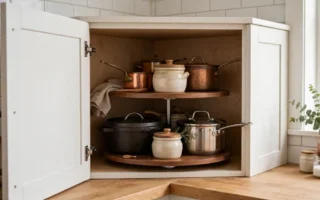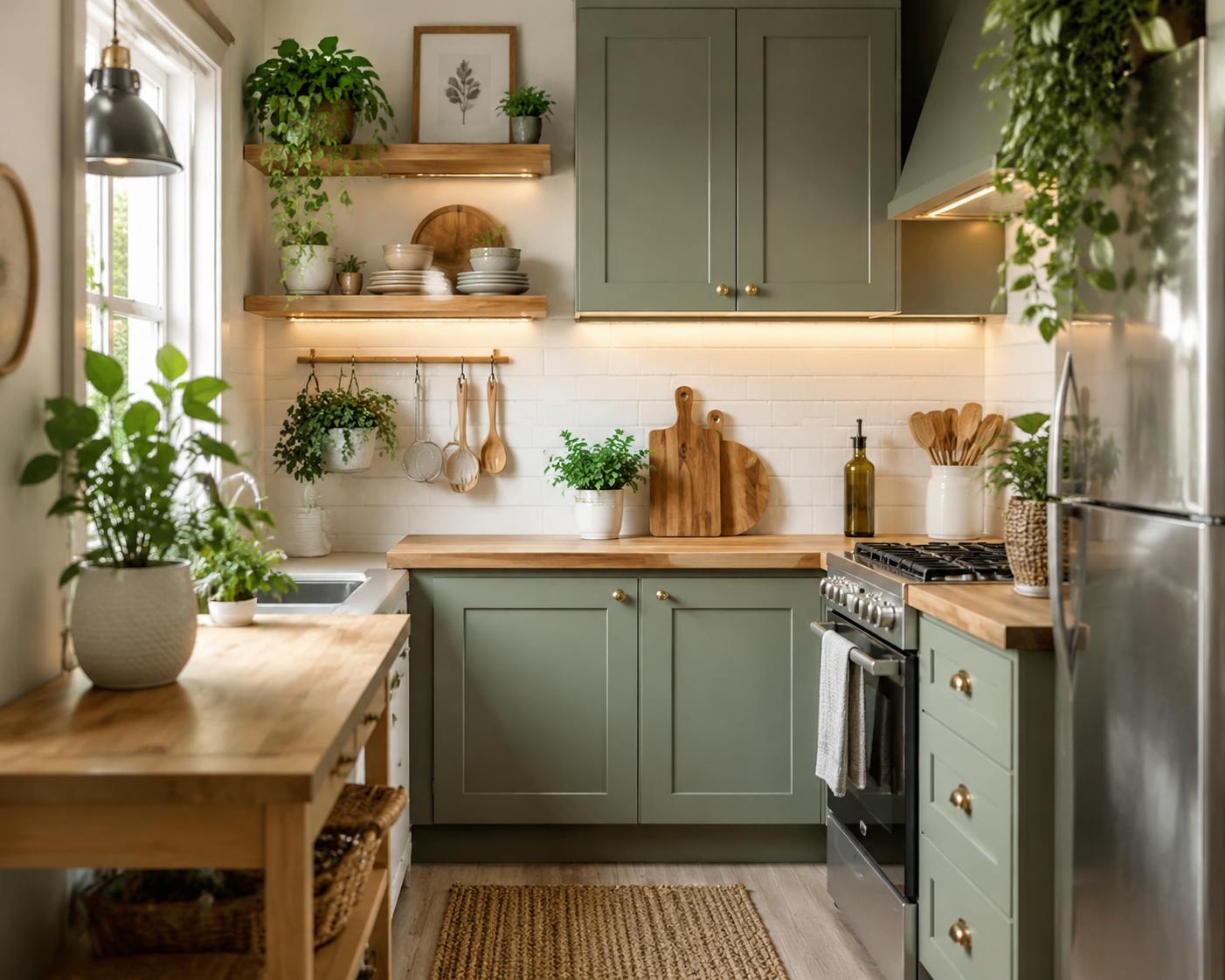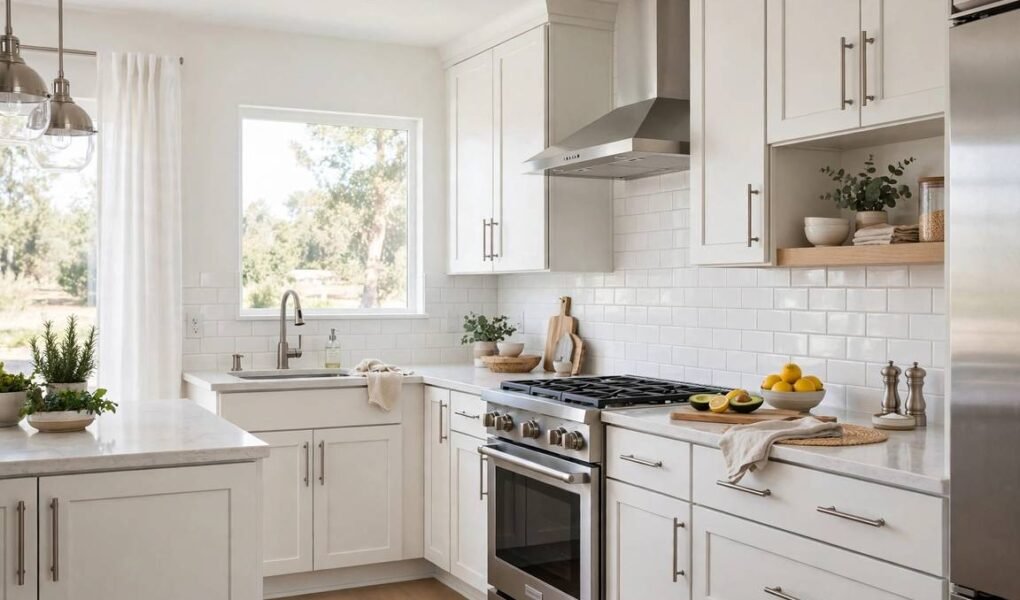
Hardware is the jewellery of a kitchen, and it is the cheapest way to change how cabinets look. New handles, knobs, and hinges can make old cabinets feel new, but only if size, finish, and placement are right. This guide covers handles and knobs by cabinet type, finishes that last, and hinge upgrades that make doors close softly and quietly.
Choose handles by cabinet size
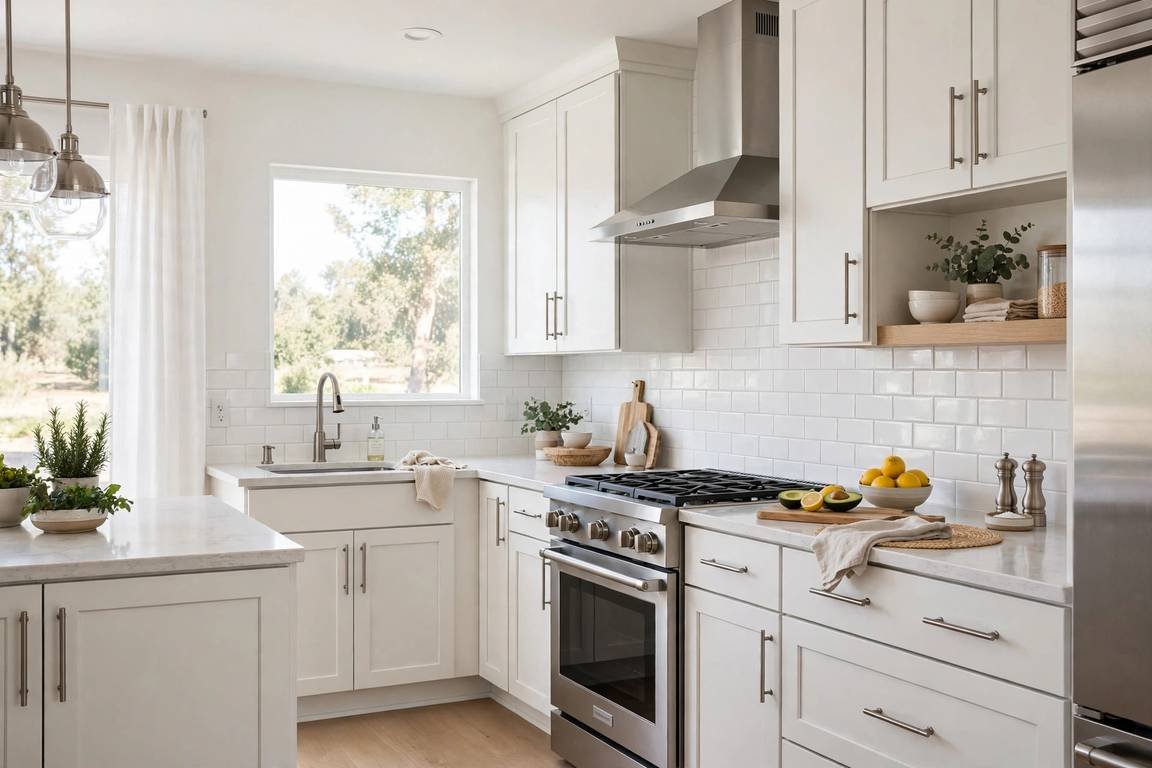
For drawers, use bar pulls that are about one third the width of the drawer. A 24 inch drawer looks best with an 8 inch pull, a 12 inch drawer with a 4 inch pull. For doors, use knobs or small pulls, about 1 to 1.5 inches for knobs, or 3 to 4 inches for pulls. Mixing is fine: pulls on drawers, knobs on doors, is a classic combination that looks intentional and is easy to grip. Avoid very long pulls on small doors, which look out of proportion and catch on clothing. Measure existing hole spacing before you buy, because matching it avoids drilling new holes, which is especially important for renters and budget kitchens.
Choose a finish that lasts
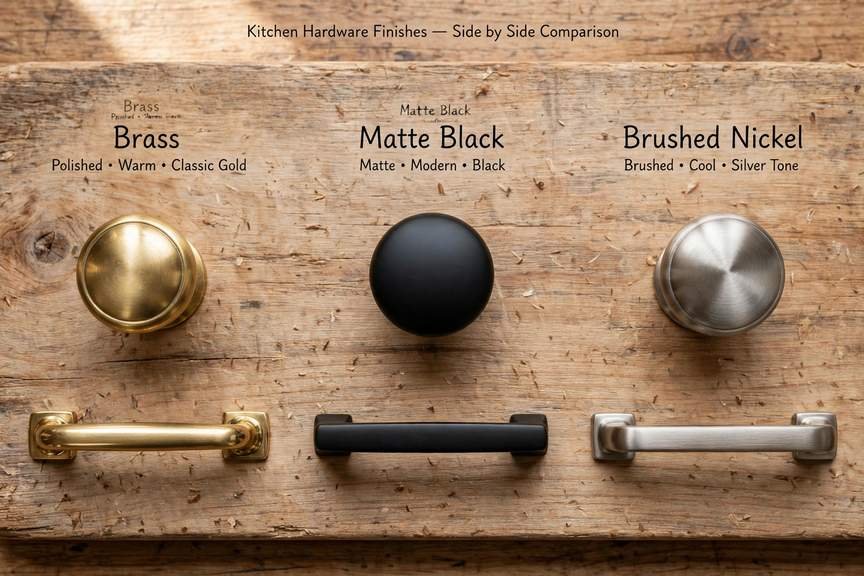
Brushed nickel and chrome are safest for busy kitchens, because they hide fingerprints and water spots. Brass and gold add warmth and pair well with white, sage, and navy cabinets, but choose a solid brass or PVD finish, not cheap painted gold, which peels. Matte black looks modern, but only from a proven brand, because cheap matte black chips and shows every spot. In hard water areas, brushed finishes last longer than polished finishes. Match hardware finish to faucet finish, or keep them in the same family, warm with warm, cool with cool, so the kitchen feels coordinated.
Upgrade hinges for soft close
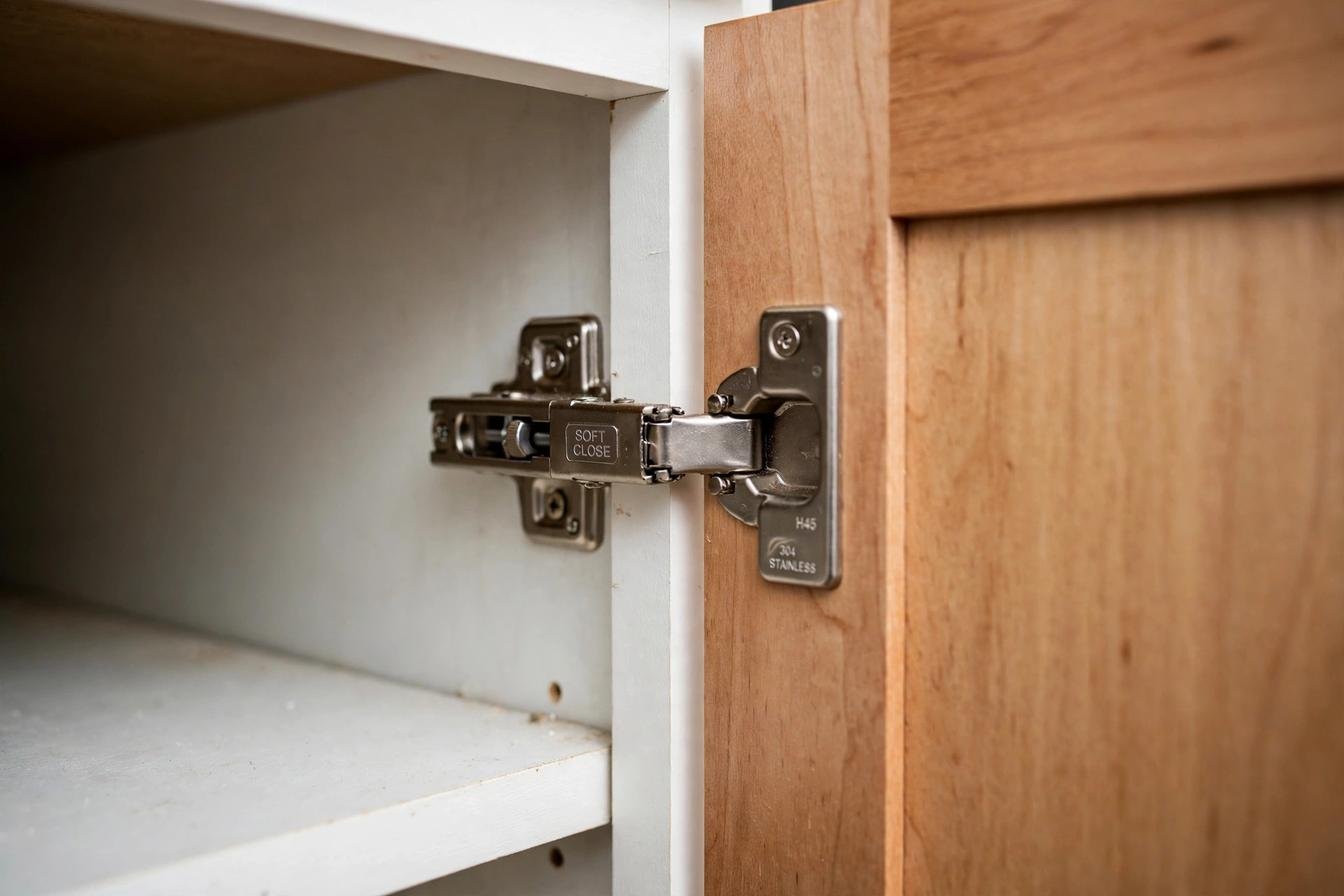
Soft close hinges are a small upgrade with a big daily difference. Doors close quietly, do not slam, and last longer because they are not banged shut. Most modern soft close hinges fit standard cabinet holes and can be installed with a screwdriver. Check hinge type before you buy: full overlay, partial overlay, or inset, and whether your doors are framed or frameless. Take one old hinge to the store or photograph it, so you match the type. Soft close hinges also help in a family kitchen, because children cannot slam doors as easily, and they make a kitchen feel more expensive without a remodel.
Placement and budget tips
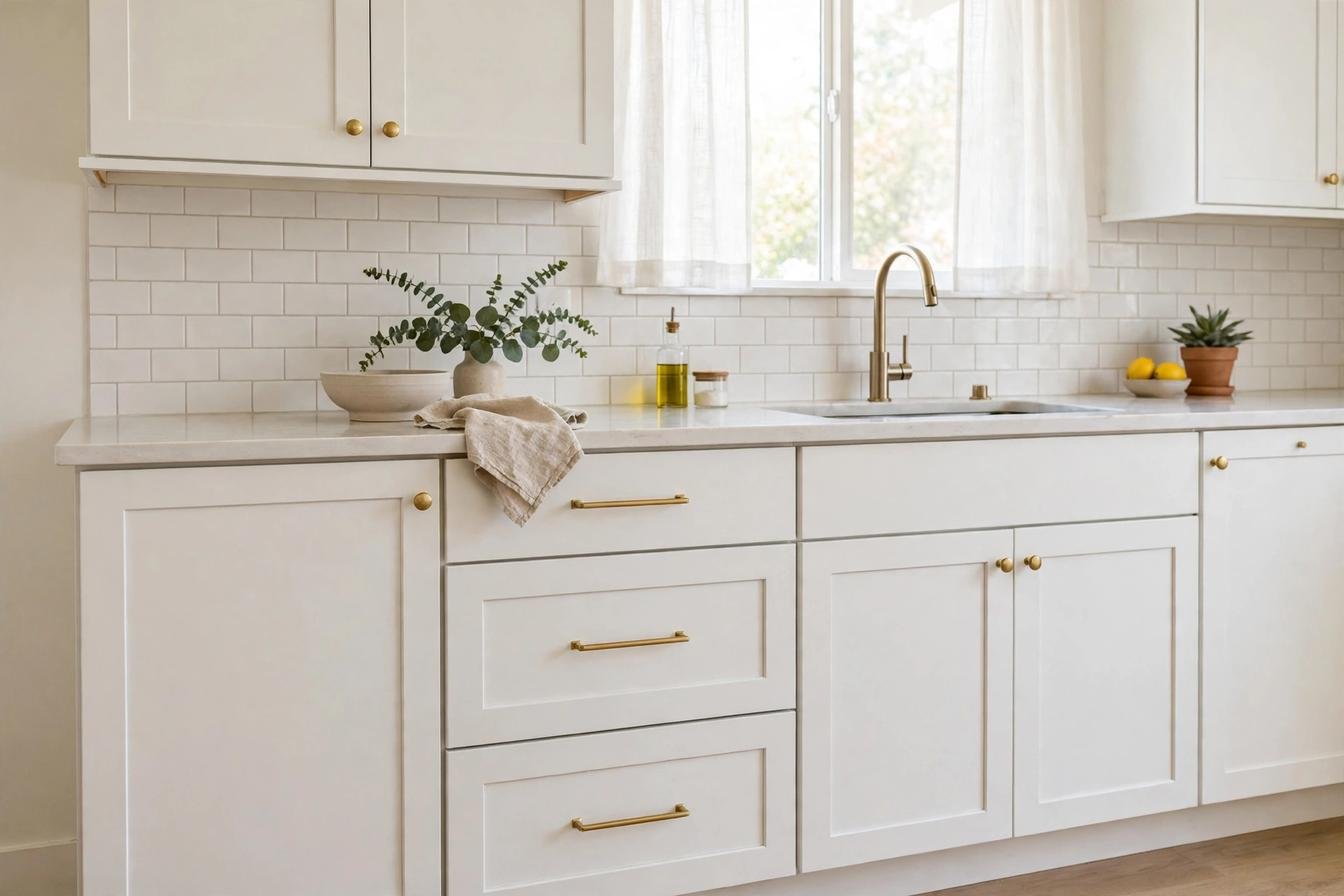
Placement matters: put knobs on the corner of a door nearest the opening, and pulls centred on a drawer, or at the top centre for a large drawer. Consistent placement across all cabinets makes the kitchen look professional, even with budget hardware. Budget tips: replace hardware in one go, so finishes match; buy one extra knob and pull for future repairs; use a template or jig to drill new holes evenly; clean cabinets before installing new hardware, so new handles sit flat. Hardware usually costs $2 to $10 per piece, so a whole kitchen can be updated for $100 to $300, much less than new cabinets.
Hardware styles by kitchen type
Hardware style should match your kitchen, not just look good in a store. A modern kitchen suits slim bar pulls in chrome or matte black, with clean lines and no ornate details. A farmhouse kitchen suits cup pulls and round knobs in brass or oil rubbed bronze, which feel warm and traditional. A traditional kitchen suits detailed knobs and bail pulls in brass, which pair with raised panel doors. For a small kitchen, slim pulls are better than chunky ones, because they do not catch on clothing in a narrow walkway, and they keep the visual line clean. For a large kitchen with wide drawers, longer pulls, 8 to 12 inches, look more in proportion and are easier to grip with full hands. Mixing styles is possible, but keep one finish consistent across the kitchen, and keep one style family, modern with modern, traditional with traditional, so the kitchen does not look like a hardware clearance sale. For an alternative to closed cabinets, see Kitchen Open Shelving Ideas.
Measuring, drilling, and installation step by step
Measure first, buy second. Remove one old knob or pull, measure the centre to centre distance between holes, in millimetres or inches, and count how many doors and drawers you have, including false fronts, which do not need hardware but are easy to miscount. If you are drilling new holes, use a template or jig, mark the centre of each door or drawer, and drill from the front with a sharp bit, using masking tape to prevent chipping. For drawers, centre the pull horizontally and place it at the top centre for a large drawer, or in the centre for a small drawer, and use the same placement on every drawer of the same size. Install one door first, check that it opens and closes without the hardware catching, then install the rest. Tighten screws firmly, but do not over tighten, which can crack a painted door or strip a screw hole. Keep old hardware in a labelled bag, in case you need to return new hardware or move to a rental where you must restore the original.
Maintenance, cleaning, and when to replace
Hardware in a busy kitchen collects grease, fingerprints, and water spots, especially near the stove and sink. Clean hardware weekly with a damp cloth and mild soap, dry immediately, and avoid harsh chemicals and abrasive pads, which strip finishes and dull brass and black coatings. For brass, use a soft cloth and a brass cleaner only if the manufacturer allows it, and avoid vinegar on lacquered brass, which can remove the lacquer. For matte black, use only a damp cloth, because cleaners can leave streaks and chips show more easily. Replace hardware when screws no longer hold, when finishes peel, when hinges sag and doors no longer close, or when a pull is loose and wobbles despite tightening. Replacing a single loose pull is cheap, but if many pieces are failing, replacing the whole set in one finish is more cost effective and looks better than mixing old and new.
Hardware and accessibility
Good hardware is also accessible hardware. For older adults or people with arthritis, larger pulls, D shaped pulls, and cup pulls are easier to grip than small round knobs, because they do not require a pinch grip. Choose pulls at least 4 inches long for drawers, and place them where they can be reached without stretching over a counter. For children, avoid very sharp or protruding hardware at head height, and choose rounded knobs and pulls that do not catch on clothing. For a family kitchen, soft close hinges and larger pulls together make cabinets easier and safer for everyone, from children to grandparents. Accessibility does not mean ugly hardware. Many modern bar pulls, cup pulls, and D pulls look stylish and are also easier to use, so choose hardware that works for your household, not just hardware that looks good in a photo.
What to avoid
- Handles that are too long for small doors, or too short for wide drawers
- Mixing too many finishes at once
- Cheap painted finishes that peel in a busy kitchen
- Hinges that do not match your door type, which will not close properly
- Drilling new holes without measuring existing spacing first
Frequently asked questions
Q: What size cabinet pull should I use? A: About one third the width of the drawer. For a 24 inch drawer, use an 8 inch pull. For doors, use a 1 to 1.5 inch knob or a 3 to 4 inch pull.
Q: Should kitchen hardware match the faucet? A: Ideally yes, or stay in the same family. Warm brass hardware with a brass faucet, cool nickel hardware with a chrome faucet, so the kitchen feels coordinated.
Q: Are soft close hinges worth it? A: Yes, for most kitchens. They stop slamming, make doors last longer, and make a kitchen feel more expensive, and they usually fit standard holes with simple tools.
Q: Can I change cabinet hardware without drilling new holes? A: Yes, if you match existing hole spacing. Measure centre to centre distance before you buy, and choose pulls with the same spacing.
Q: What hardware finish is best for a busy kitchen? A: Brushed nickel, chrome, and solid brass with a PVD finish. They hide fingerprints and last longer than polished or cheap painted finishes.
Q: How much does it cost to update kitchen hardware? A: Usually $2 to $10 per piece, so $100 to $300 for a whole kitchen, depending on how many doors and drawers you have.
Conclusion
Hardware is a small change with a big impact. Choose pulls about one third the drawer width, a finish that lasts in your water and cooking style, and soft close hinges for quiet doors. Measure first, match finishes, and place consistently, and your cabinets will look new without replacing them.